
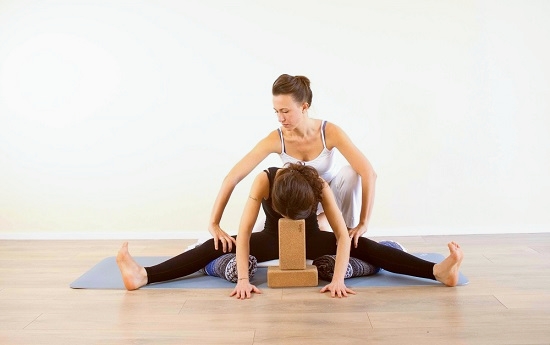

To complete restorative yoga teacher training in 10 steps, you will begin by exploring the foundational principles and philosophy that emphasize relaxation and breath awareness.
Next, you will establish a consistent personal practice that incorporates mindful breathing techniques.
As part of your training, you will delve into relevant anatomy and the functions of the nervous system, ensuring a comprehensive understanding of how the body works during restorative practices.
You will also learn the effective use of props, such as bolsters and blankets, to enhance student comfort and support during poses.
Engaging in practice teaching will allow you to refine your skills based on constructive feedback, which is crucial for your development as a teacher.
Following this, you will focus on developing class sequencing, which is essential for creating cohesive and effective restorative sessions.
Gaining experience in leading sessions will further bolster your teaching abilities, while building your professional network will provide valuable connections within the yoga community.
These essential next steps will set the stage for deeper mastery of restorative yoga and help you cultivate the confidence needed to lead your own classes successfully.
Understand the Foundations of Restorative Yoga
Restorative yoga is a specialized practice that emphasizes deep relaxation and gentle stretching through the use of props such as bolsters, blankets, and blocks, allowing you to hold poses for extended periods without strain. When you commence restorative yoga teacher training, you’ll investigate the foundational principles, including the nervous system’s role in relaxation, the importance of breath awareness, and the therapeutic benefits of stillness. Understanding these elements helps you guide others safely and effectively, supporting their physical and mental restoration. Your training will also cover how to select and arrange props to optimize comfort and stability, ensuring each pose promotes healing without effort. Through mastering these basics, you’ll be well-prepared to serve students seeking relief from stress and physical tension.
Establish a Consistent Personal Practice
To establish a consistent personal practice in restorative yoga, you’ll need to commit to a daily routine that incorporates key postures and mindful breathing techniques. Integrating breath awareness into each session helps regulate your nervous system and improve relaxation. Through maintaining this steady practice, you build a foundation that supports both your teaching skills and personal well-being.
Daily Routine Commitment
Although establishing a daily routine may initially seem challenging, committing to a consistent personal practice is vital for deepening your understanding and effectiveness as a yoga teacher. This dedication not only improves your skills but also models the discipline you’ll encourage in your students. To maintain this commitment, consider the following approaches:
- Set a specific time each day for your practice to build habit and reliability.
- Create a dedicated, quiet space that supports focus and minimizes distractions.
- Track your progress and reflect on experiences to identify areas for growth and adjustment.
Mindful Breath Integration
Anyone seeking to deepen their personal yoga practice will find that combining mindful breath techniques is vital for both physical and mental balance. Establishing a consistent personal practice of breath awareness, such as diaphragmatic breathing or ujjayi breath, supports relaxation and improves concentration. When you regularly focus on your breath, you cultivate a steady internal rhythm that calms the nervous system and heightens self-awareness. This foundation not only benefits your own well-being but also equips you to guide others more effectively during restorative yoga sessions. Through consistently practicing mindful breathing, you develop the ability to model calmness and presence, fundamental qualities for a restorative yoga teacher. Incorporate breath combination into your daily routine, allowing it to become an automatic, supportive tool that strengthens your teaching and personal growth.
Study Anatomy and Physiology Relevant to Restorative Yoga
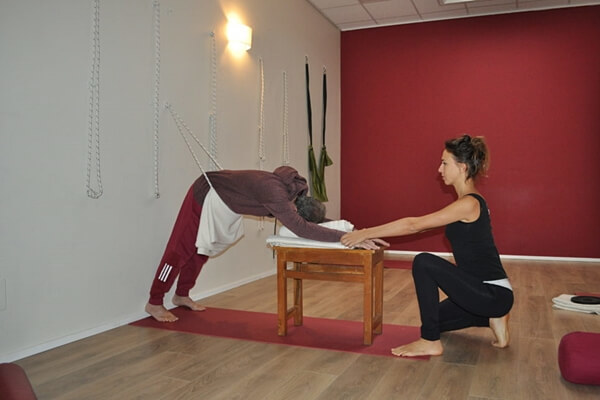
To teach restorative yoga effectively, you’ll need to understand the fundamental muscles involved, such as the deep central stabilizers and the muscles that support gentle stretching and relaxation. It’s also essential to grasp how the nervous system functions, especially the parasympathetic branch, which promotes rest and recovery during practice. This knowledge helps you guide students safely and tailor poses that improve calming physiological responses.
Key Muscles in Restorative
Three key muscle groups play an important role in restorative yoga practice, as understanding their anatomy and physiology will help you facilitate deeper relaxation and effective support during poses. These muscles are vital because they often remain engaged or supported throughout restorative sessions, enhancing comfort and alignment. When you guide others, recognizing how these muscles function allows you to tailor props and adjustments appropriately.
- Erector Spinae: These muscles run along the spine, supporting posture and gentle spinal extension, fundamental for maintaining a neutral back during restorative poses.
- Diaphragm: As the primary muscle for breathing, its relaxation promotes deep, calming breaths, aiding in stress reduction.
- Pelvic Floor Muscles: They provide foundational support, helping to stabilize the pelvis and lower back, especially when poses involve reclining or hip opening.
Nervous System Functions
Understanding the role of key muscle groups in restorative yoga naturally leads to an examination of the nervous system, which regulates muscle activity and influences general relaxation. The nervous system is divided into the central nervous system, consisting of the brain and spinal cord, and the peripheral nervous system, which connects the rest of the body. Within this framework, the autonomic nervous system plays an essential role, especially its parasympathetic branch, often called the “rest and digest” system, which slows the heart rate and promotes muscle relaxation. When teaching restorative yoga, recognizing how these systems interact helps you guide students into deeper states of calm, as the nervous system’s regulation of muscle tension and stress responses directly affects their ability to release and restore. This knowledge empowers you to better support your students’ physical and mental well-being.
Learn About Props and Their Effective Use
Although props might seem like simple accessories, their effective use in restorative yoga is essential for creating the precise support and alignment needed during practice, allowing you to facilitate deeper relaxation and safer postures for your students. Understanding how to select and position props such as bolsters, blankets, and blocks can transform a pose from merely comfortable to therapeutically valuable. As you learn to apply props thoughtfully, you enable the body to release tension without strain, supporting the nervous system’s shift toward rest.
- Bolsters provide gentle elevation and cushioning to maintain postural integrity.
- Blankets offer adjustable padding, making poses accessible for varying body types.
- Blocks assist in modifying reach and alignment, reducing muscular effort.
Mastering these tools improves your ability to serve students with diverse needs effectively.
Explore the Philosophy Behind Restorative Practices
When you investigate the philosophy behind restorative practices, you’ll find that it centers on the principle of enabling the body’s natural ability to heal itself through relaxation and mindful support, rather than through effort or exertion. This approach acknowledges that deep rest facilitates physiological processes such as reduced stress hormone levels, improved circulation, and nervous system balance. As someone dedicated to serving others, understanding this philosophy allows you to guide students in creating safe, nurturing environments where they can release tension and foster self-awareness. Rather than pushing for physical achievement, restorative yoga encourages patience and presence, emphasizing the importance of stillness and gentle alignment. Through embracing these ideas, you’ll be better equipped to support individuals in accessing profound relaxation, promoting comprehensive wellbeing, and cultivating adaptability through mindful, compassionate care.
Enroll in a Certified Restorative Yoga Teacher Training Program
When you’re ready to enroll in a restorative yoga teacher training program, it’s significant to select one that is accredited to guarantee quality and recognition. You’ll want to carefully review the curriculum and certification requirements, noting how the program balances theoretical knowledge with practical teaching skills. Furthermore, consider the training duration and format, whether it’s in-person, online, or a hybrid model, to find an option that fits your schedule and learning preferences.
Choosing Accredited Programs
Since pursuing a certified restorative yoga teacher training program can greatly influence your credibility and teaching skills, it’s crucial to carefully evaluate whether a program is accredited through a recognized yoga alliance or governing body. Accreditation guarantees the training meets established standards, which supports your professional development and builds trust with your future students. When choosing an accredited program, consider these points:
- Verify the accrediting organization’s reputation and recognition within the yoga community.
- Confirm that the program’s accreditation status is current and publicly listed.
- Assess whether the accreditation aligns with your career goals and the type of restorative yoga you wish to teach.
Curriculum and Certification Details
Understanding the curriculum and certification details is vital when enrolling in a certified restorative yoga teacher training program, as these components define the scope, depth, and professional value of your education. You’ll want to verify the curriculum covers foundational topics, such as anatomy, restorative poses, breathing techniques, and the therapeutic benefits of yoga, along with teaching methodology and ethical guidelines. Certification from a recognized body guarantees that your training meets established industry standards, which not only improves your credibility but also equips you to effectively support others on their wellness paths. Moreover, accredited programs often require practical teaching hours and assessments, confirming you develop both knowledge and hands-on skills. Through thoroughly reviewing these details, you can select a program that aligns with your commitment to serve others with competence and confidence.
Training Duration and Format
The structure of your restorative yoga teacher training, including its duration and format, plays a crucial role in how effectively you can absorb the material and apply it in practice. When enrolling in a certified program, consider how the schedule aligns with your learning style and commitments, as well as how it supports your ability to serve others with confidence and clarity. Training programs typically vary, but often include:
- Intensive weekend sessions for immersive learning over a shorter period
- Weekly classes spread out over several months to allow gradual skill development
- Hybrid formats combining in-person workshops with online modules for flexible study
Choosing a format that balances thorough instruction with your lifestyle guarantees you gain the knowledge and practice needed to teach restorative yoga safely and effectively.
Practice Teaching With Feedback From Peers and Mentors
Anyone preparing to become a restorative yoga teacher will benefit greatly from practice teaching sessions that include feedback from both peers and mentors, as this process allows you to refine your instructional skills, improve your ability to guide students through gentle postures, and develop a deeper understanding of how to create a calming, supportive environment. During these sessions, you’ll have the opportunity to observe how your verbal cues and hands-on adjustments affect participants, while receiving constructive criticism aimed at enhancing your clarity, pacing, and empathy. Engaging with experienced mentors helps you identify areas for improvement, while peer feedback fosters mutual learning and support. This collaborative approach guarantees you’re well-prepared to serve your future students with confidence and sensitivity, meeting their needs effectively.
Develop Skills in Sequencing and Class Planning
Since sequencing and class planning form the foundation of an effective restorative yoga session, developing these skills is essential for creating a coherent and balanced experience that supports relaxation and healing. You’ll want to learn how to arrange poses thoughtfully, allowing each to shift smoothly into the next, and to allocate time wisely to avoid rushing or dragging. Effective planning also involves considering the physical and mental needs of your students, ensuring the session aligns with their capacities and goals. To help you build these skills, focus on:
- Understanding pose duration and shifts for ideal relaxation
- Balancing active and passive postures to maintain flow and rest
- Structuring sessions to progressively deepen calm and release tension
Mastering sequencing and planning empowers you to guide others safely and effectively.
Gain Experience Through Assisting or Leading Classes
Building on your ability to sequence and plan restorative yoga sessions thoughtfully, gaining practical experience through assisting or leading classes offers invaluable opportunities to apply and refine these skills in real time. When you assist an experienced teacher, you observe how they adjust poses for individual needs, manage class flow, and create a calming environment, which improves your understanding of restorative principles. Leading classes, even small groups, allows you to practice verbal cues, timing, and modifications, boosting your confidence and communication skills. Both roles require attentiveness to participants’ comfort and safety, emphasizing your commitment to serving others effectively. Through actively engaging in teaching settings, you deepen your practical knowledge, develop responsiveness to diverse needs, and cultivate the professionalism necessary for delivering restorative yoga that genuinely supports wellbeing.
Build Your Professional Network and Continue Education
Although completing your restorative yoga teacher training provides a solid foundation, continuing to build your professional network and pursue further education is essential for sustained growth and success in this field. Establishing strong connections with fellow instructors and wellness professionals can open doors to collaboration and mentorship opportunities, enhancing your teaching skills and broadening your perspective. Furthermore, staying informed about the latest research and methodologies guarantees your practice remains effective and relevant. To support your ongoing development, consider these steps:
- Attend workshops and conferences to learn from experienced practitioners and expand your knowledge base.
- Join professional associations or online communities dedicated to restorative yoga for networking and resource sharing.
- Enroll in advanced courses or certifications to deepen your expertise and diversify your teaching approach.