
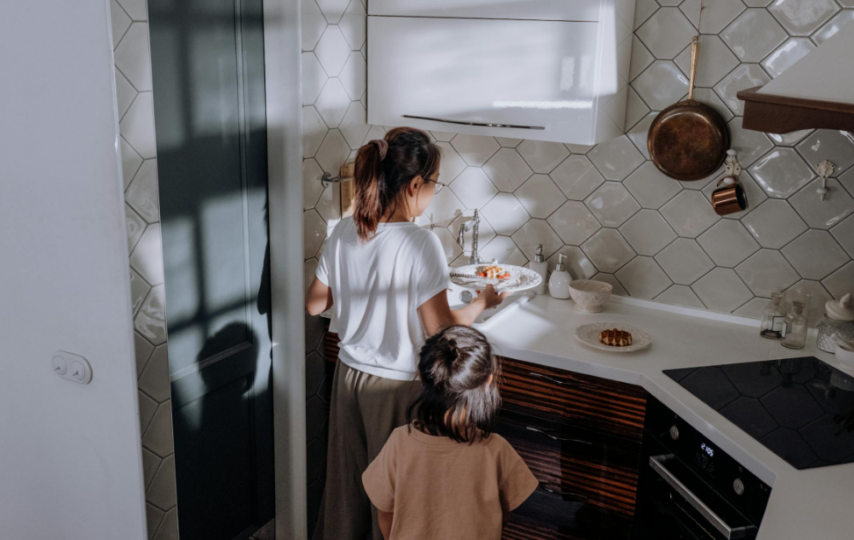

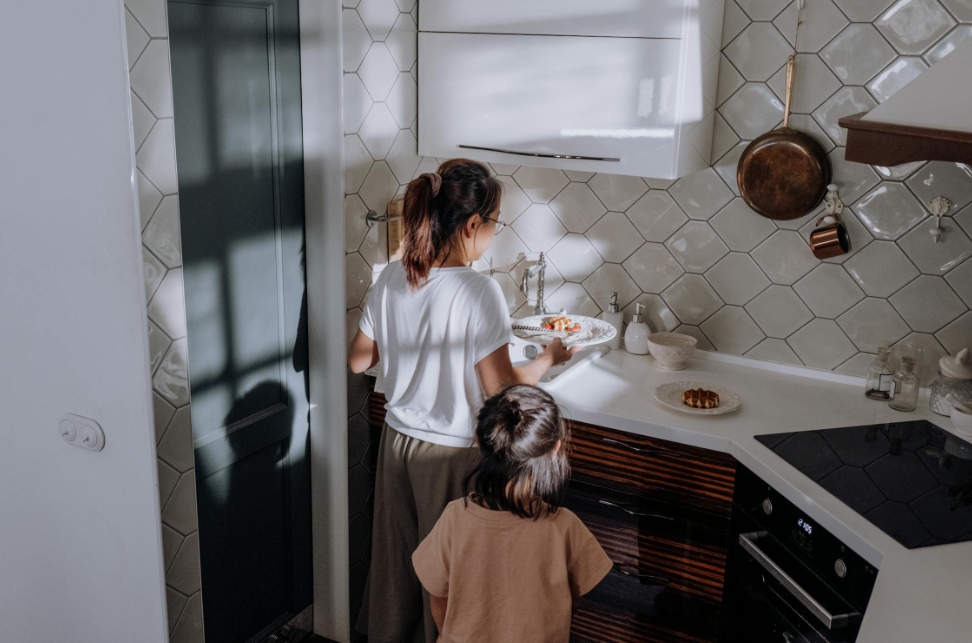
Have you ever observed that kids many times want to be part of the things you do? With patience, even the most ordinary household activities can turn into valuable learning moments. Training kids to be responsible at home does not need any complicated processes or strict regulations. Rather, small tasks suitable for their age can make them feel that they are included in helping the family and taking care of their home.
With gentle guidance and consistency, these collaborative efforts can not only promote responsibility but also strengthen family bonding in a natural way. Let’s learn about some quick ways children can help parents and how parents can appreciate them.
Age-Appropriate Ways Children Can Help Parents at Home
Simple Household Tasks for Toddlers and Preschoolers
Young children are eager to participate in visible tasks and love to mimic adults. You can ask the children to carry light objects, clean safe surfaces, or store the toys in the baskets. These jobs should be kept short and easy so that it does feel like a burden. Soft reminders and positive encouragement are generally more effective than issuing commands.
These small contributions can gradually introduce children to the idea of basic responsibility without putting any pressure on them. Children feel more comfortable learning household chores when tasks are simple and predictable.
Everyday Responsibilities for School-Aged Children
As children grow, they get better at managing organized household tasks. You could boost their confidence by assigning them tasks such as setting the table, managing school supplies, or assisting with simple meal preparation. These activities help children make a real contribution and also learn time management. Showing them how their help makes a difference can deepen their understanding and willingness. Guiding children properly during this time helps make the tasks motivating without being too overwhelming.
Meaningful Home Contributions for Preteens and Teenagers
Generally, older children want to be independent and treated fairly when it comes to responsibilities. Some of the ways you can involve them are by having them participate in the household chores plan, briefly looking after younger siblings, or doing their laundry. Giving up some control while setting limits usually makes the child more willing to cooperate.
Encouraging Responsibility Through Consistent Guidance
Setting Clear Routines and Expectations at Home
Consistency is the key that helps children know their duties. You can set up simple routines for the mornings, evenings, and weekends that include small tasks for the children. Visual schedules or verbal reminders may help younger children stay engaged and focused.
Teaching Life Skills Through Daily Household Involvement
Household tasks are a perfect way to equip kids with essential skills. You may, for example, involve the kids in folding clothes, tidying up their personal corners, or even mapping out simple schedules. Doing these tasks together and talking while doing them can both teach and encourage children.
When you explain things in simple and clear words, children feel confident to try on their own. If they make a mistake, see it as a chance to learn instead of a failure. This approach helps children slowly learn responsibility with your support and patience.
Using Praise and Positive Reinforcement to Build Confidence
Putting effort into acknowledging the children’s doings can be a great motivator for them not to lose their interest in the activity. You can compliment them when children finish their tasks or when they show that they can do it without being told.
Rewards are not always needed. Many times even a simple compliment or words of praise can make a big difference. It’s important not to compare children, because each child develops responsibility at their own pace and in their own way. When you encourage your child, it helps them build confidence, feel proud of their efforts, and understand the value of helping around the house, even when there’s no reward or recognition.
Conclusion
When you guide children in doing everyday tasks, they learn responsibility through experience, not just by being told what to do. Even small contributions help them feel capable and valued when they are trusted with jobs at home. These practices can gradually lead to independence and cooperation and result in a balanced household in which responsibility develops naturally as part of everyday family life.